High-Efficiency Pulverizing
The high-speed grinding disc provides stable fine grinding that converts pre-crushed or pelletized plastic into a uniform fine powder.
High-efficiency grinding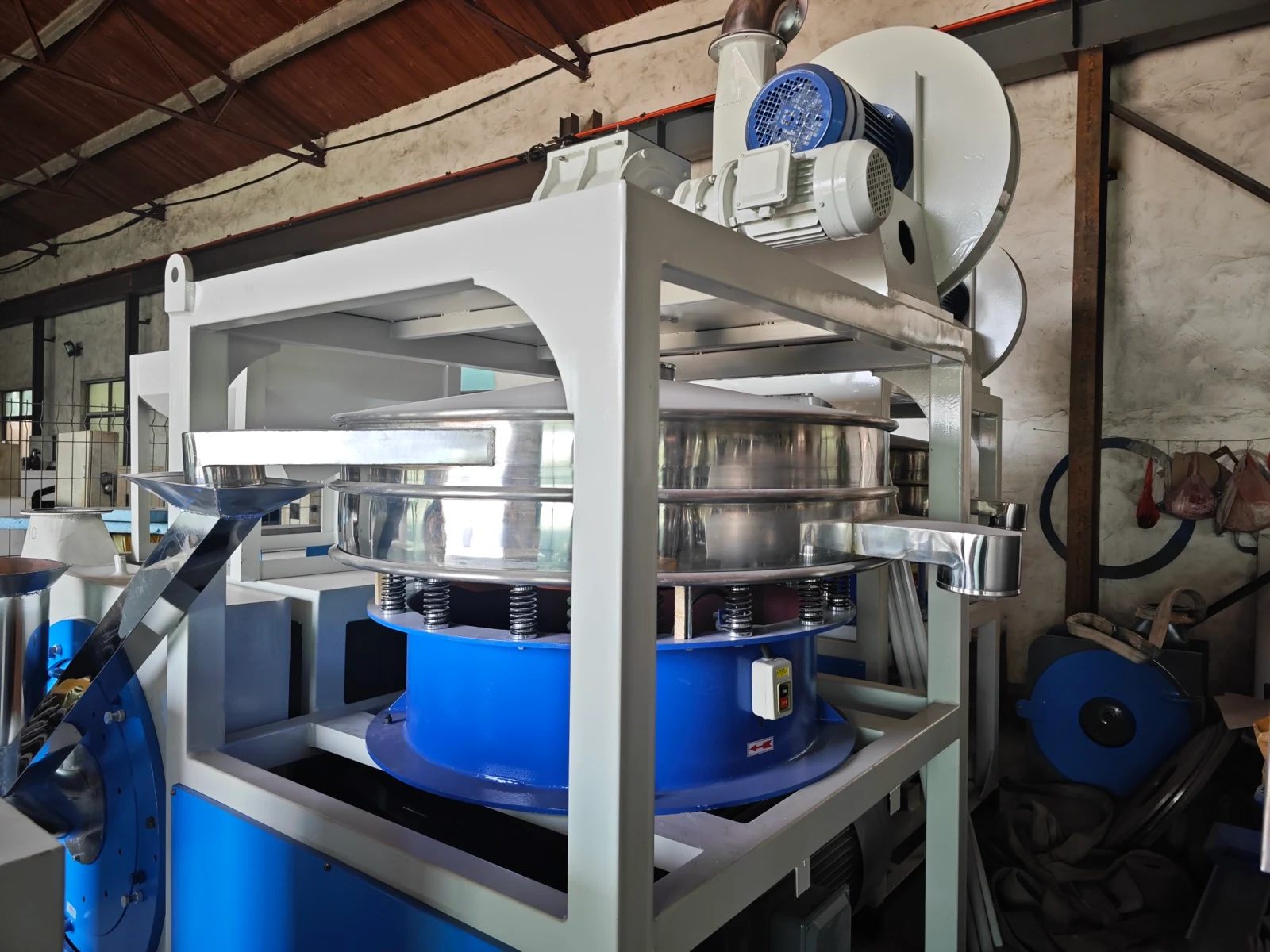
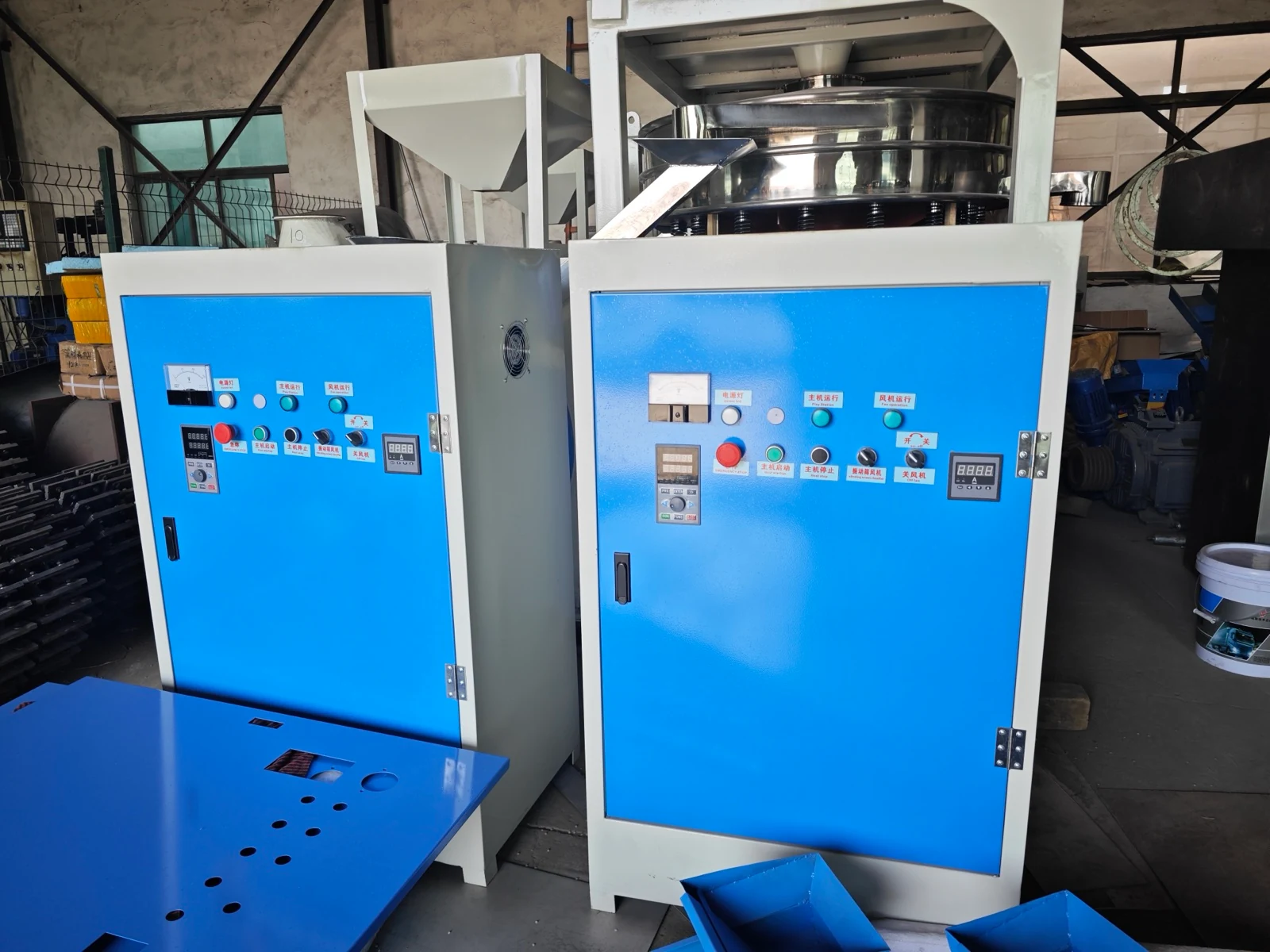
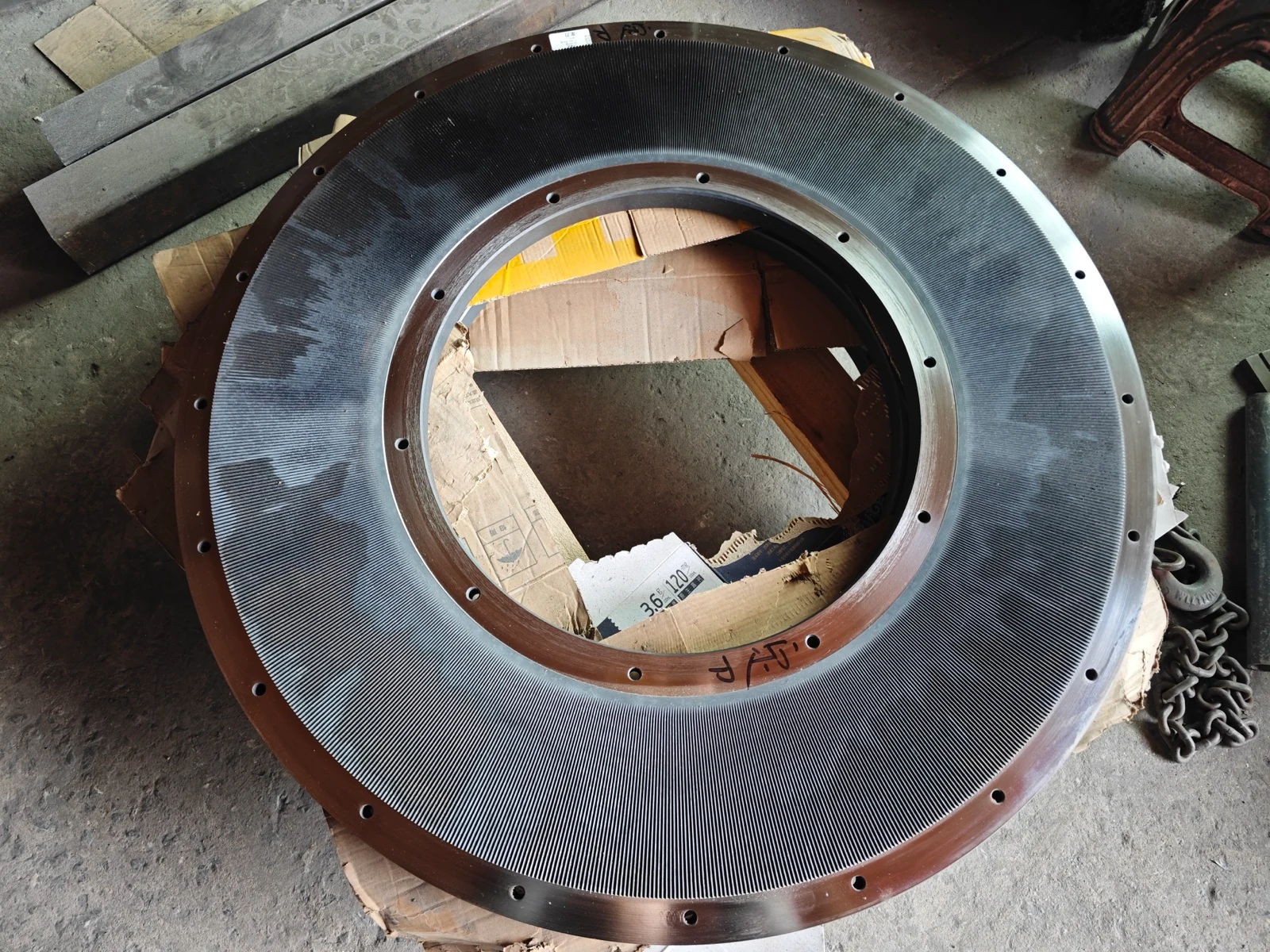
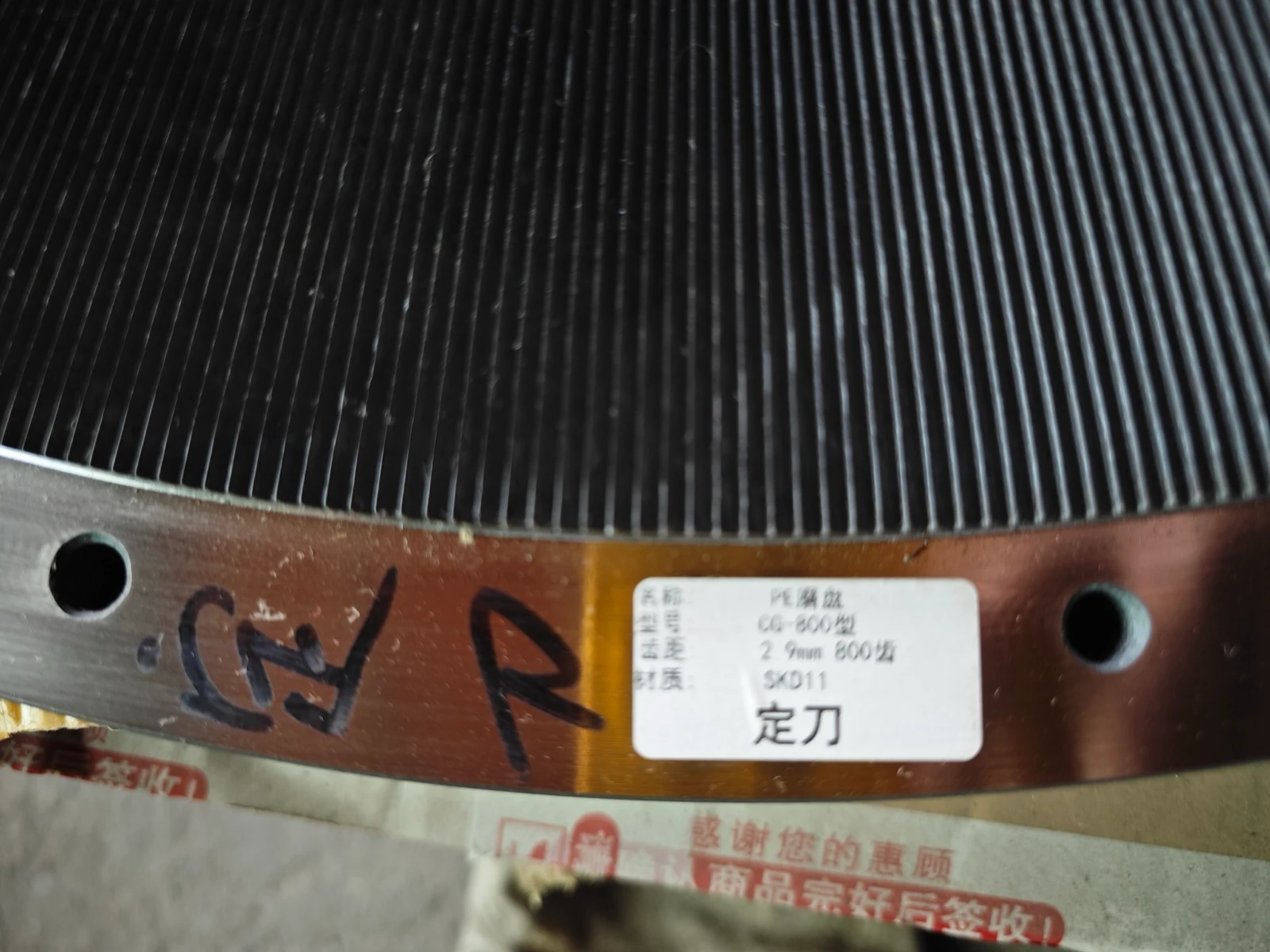
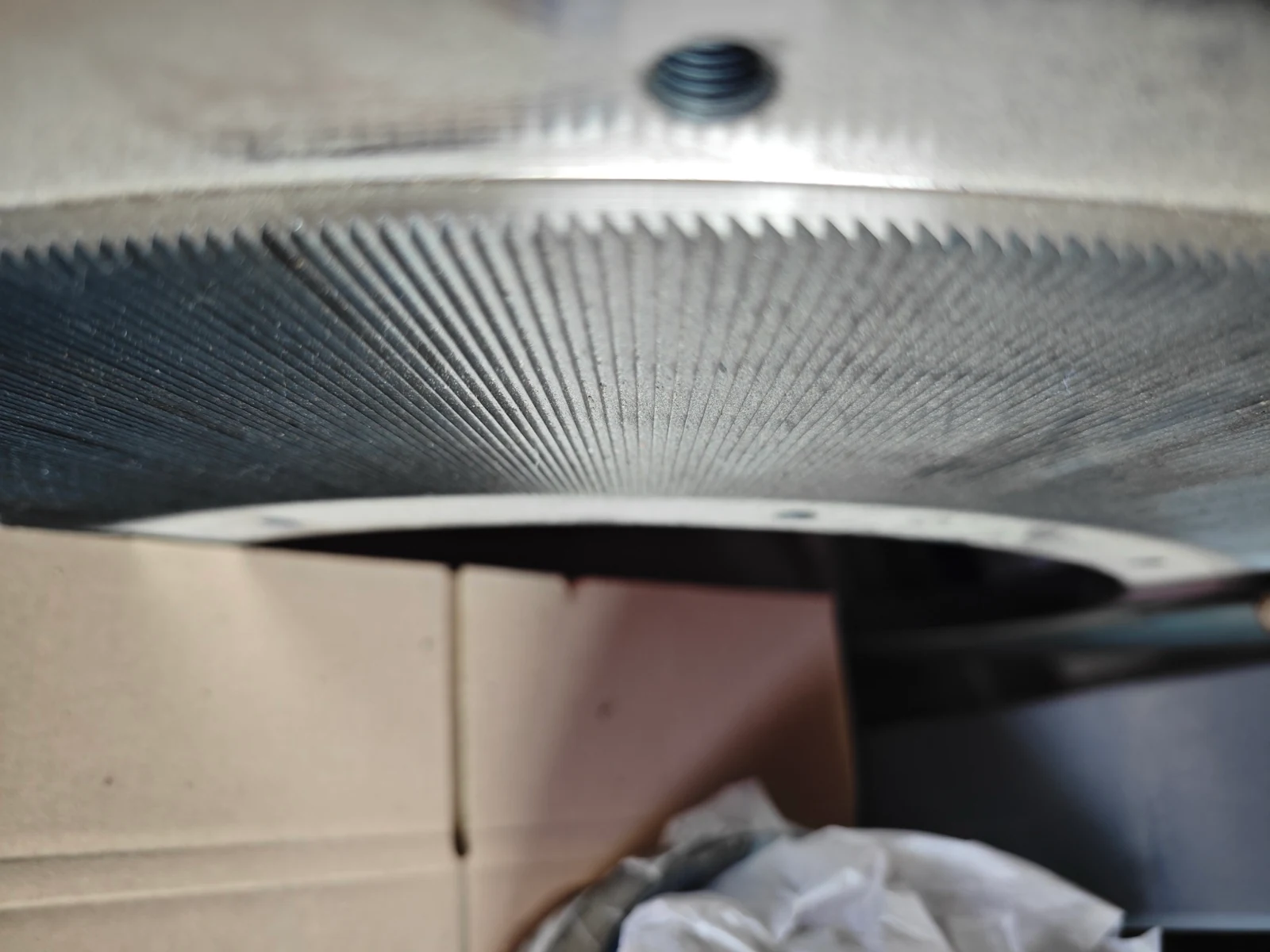
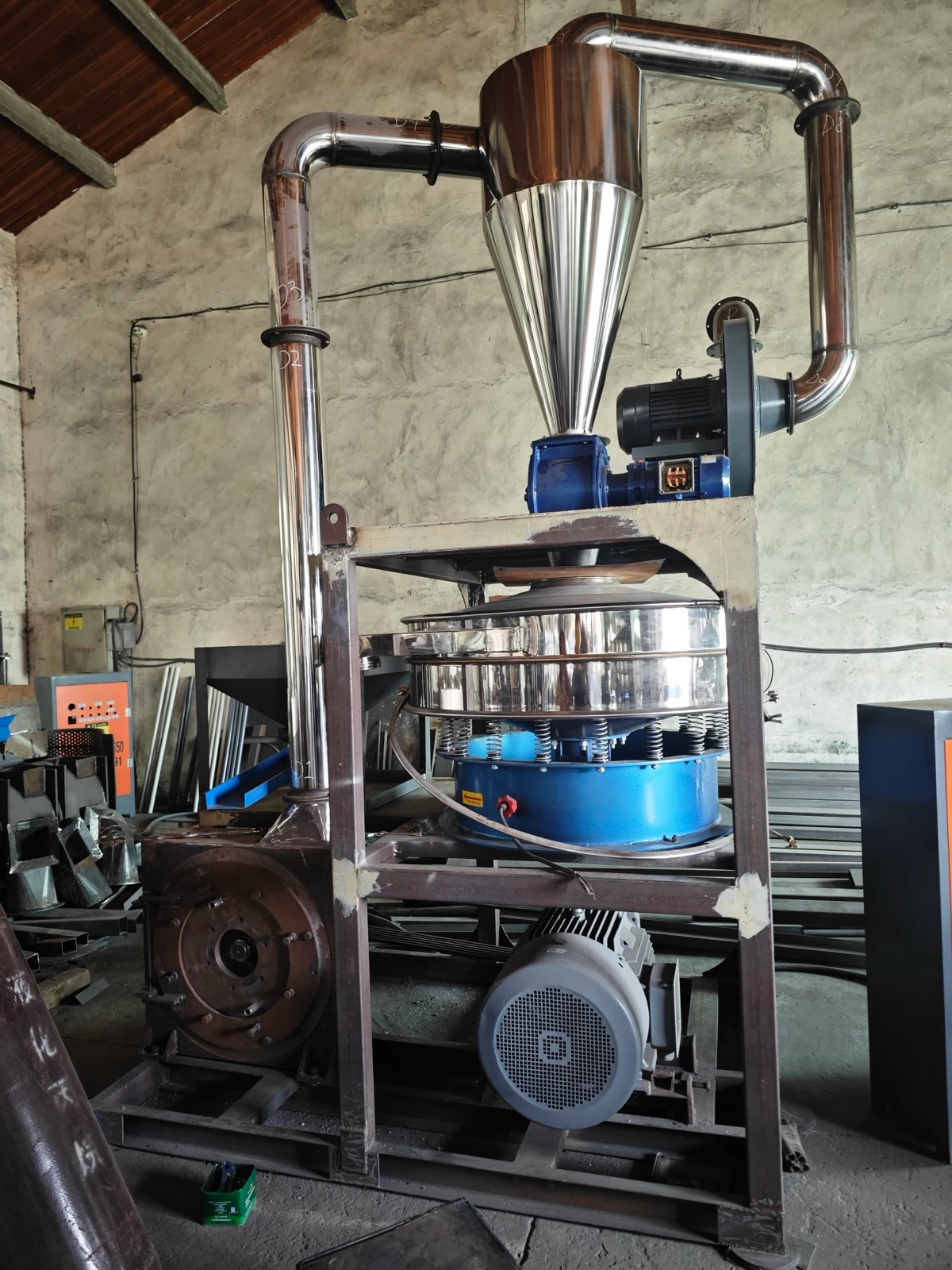
The plastic pulverizer (disc grinding mill) further processes PVC/PE pellets, uniform regrind and brittle recycled plastic into fine, evenly sized powder. High-speed rotating discs, automatic feeding, cooling, air conveying, cyclone separation, screening and oversize return combine into one continuous pulverizing line.
Overview
A plastic pulverizer — also called a disc grinding mill — is a high-speed grinding machine that further processes plastic pellets, uniform regrind or brittle recycled material into fine, evenly sized powder. Rotating and stationary grinding discs break down the material by impact, shear and friction, while an air-conveying system quickly removes the powder from the grinding chamber.
The machine is especially suited to rigid PVC material, PE pellets and PE powder for rotomolding. Depending on the raw material, the target mesh and the required output, the line can be configured with automatic feeding, grinding-disc cooling, air cooling conveying, cyclone separation, vibrating screening and automatic oversize return — forming a complete continuous plastic pulverizing line.
An air-conveying system carries the fine powder away from the grinding discs quickly and cools it at the same time. This keeps material residence time short and grinding temperatures controlled, so heat-sensitive plastics remain stable while the powder is produced.
Each pulverizing system is configured around your material, feed state, target powder mesh and capacity. Grinding disc gap, cooling, conveying and screening are matched so the final powder is consistent and the line runs continuously.
Key Advantages
Six design features that turn pellets and regrind into stable, uniform fine powder.
The high-speed grinding disc provides stable fine grinding that converts pre-crushed or pelletized plastic into a uniform fine powder.
High-efficiency grindingFinal powder size is controlled through grinding disc gap, feed rate, screening and operating parameters to suit different downstream processes.
Mesh adjustableThe grinding chamber, discs and air system can be combined with cooling to carry away friction heat and reduce the risk of softening, caking or property change for heat-sensitive plastics.
Low-temperature runningA dosing feeder controls the feed rate to avoid momentary overload, keeping the main motor current and the powder quality stable.
Stable feedingGround powder is quickly carried by airflow to a cyclone separator or collection system, reducing dust build-up and improving continuous production.
Air conveying & separationAn optional vibrating screen and oversize return system sends coarse particles back into the pulverizer, improving final powder consistency.
Oversize returnApplicable Materials
Working Principle & Process
A stable closed-loop fine-grinding process with dosing feeding, air conveying and screening.
Material is fed through the hopper and dosing feeder into the grinding chamber. Between the high-speed rotating disc and the fixed disc, the material is gradually refined by impact, shear and friction.
Powder leaves the grinding chamber quickly with the airflow and enters the cyclone separator and downstream screening. Powder that meets the target size goes to collection, while oversize particles return automatically for another pass — forming a stable closed-loop process.
Machine Photos
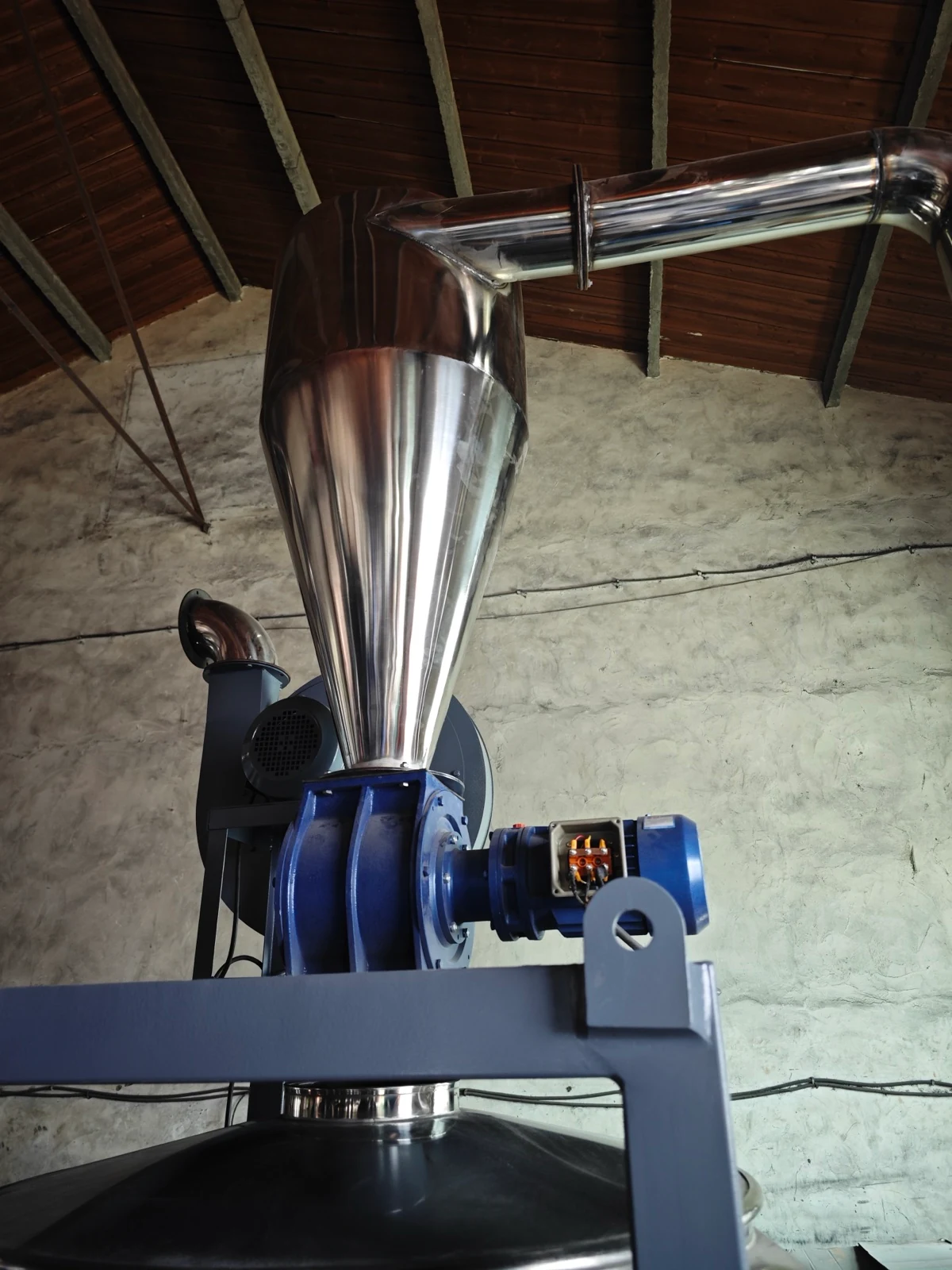
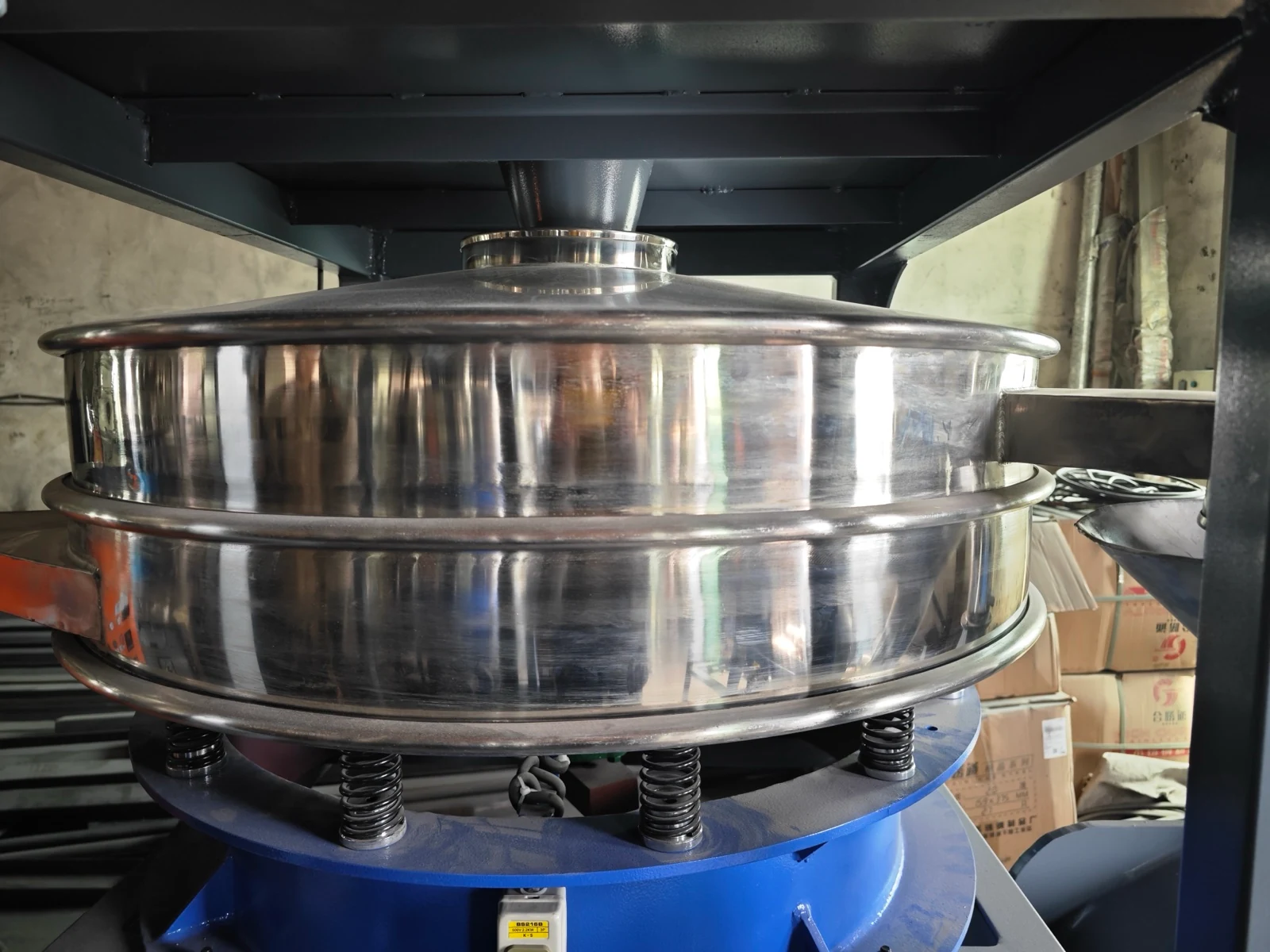
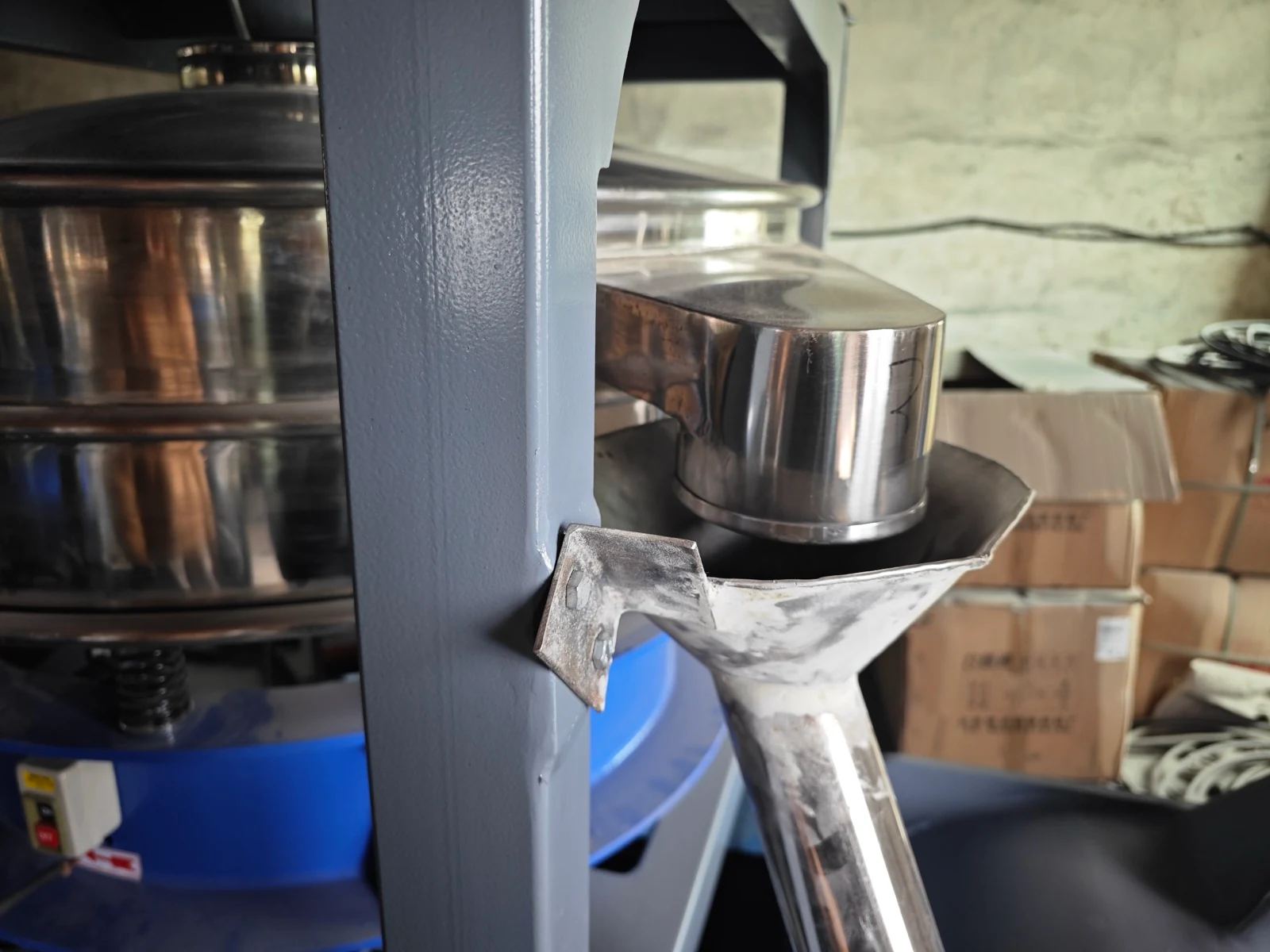
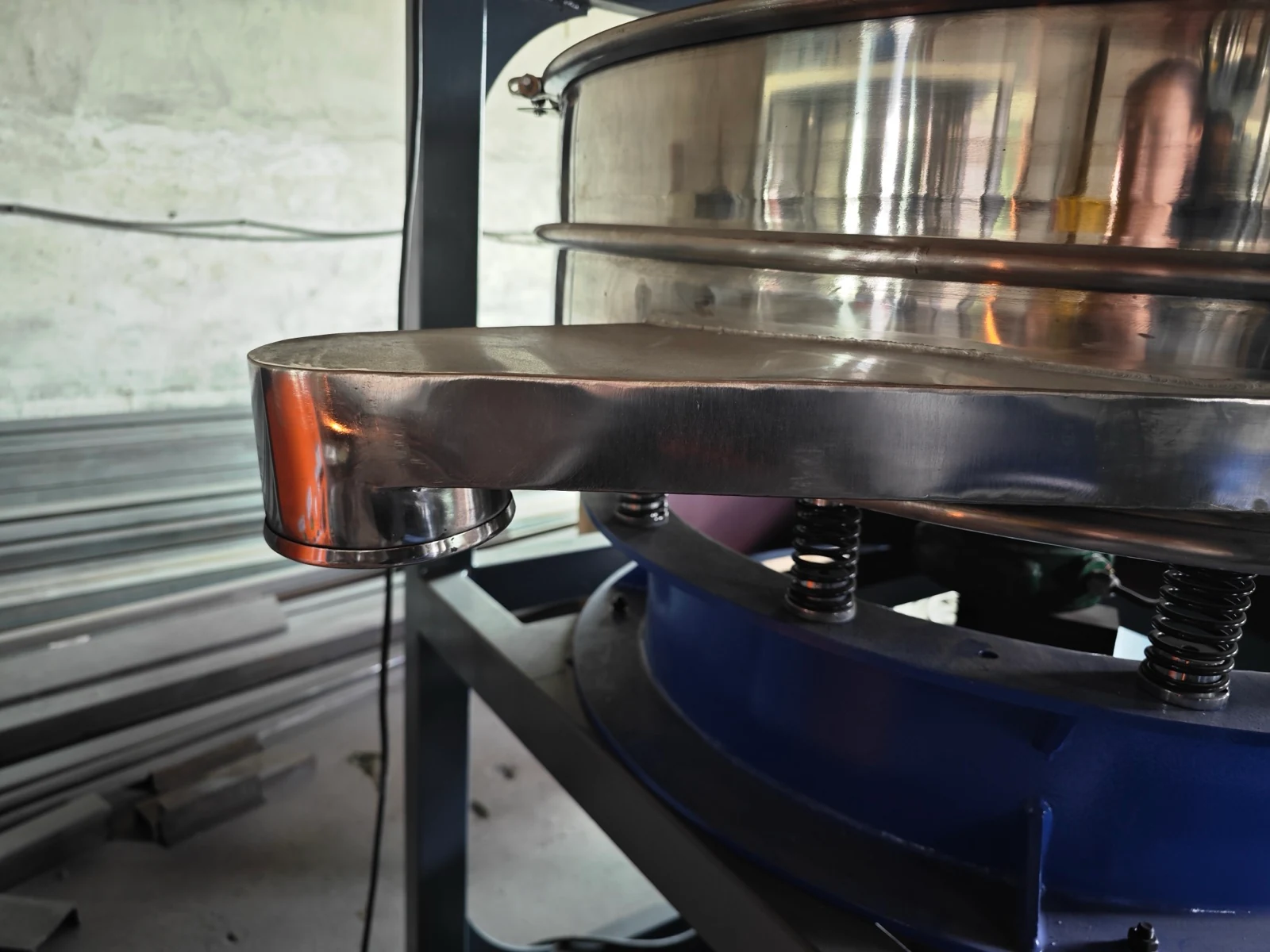
Real production photos of our disc pulverizer and powder production system.
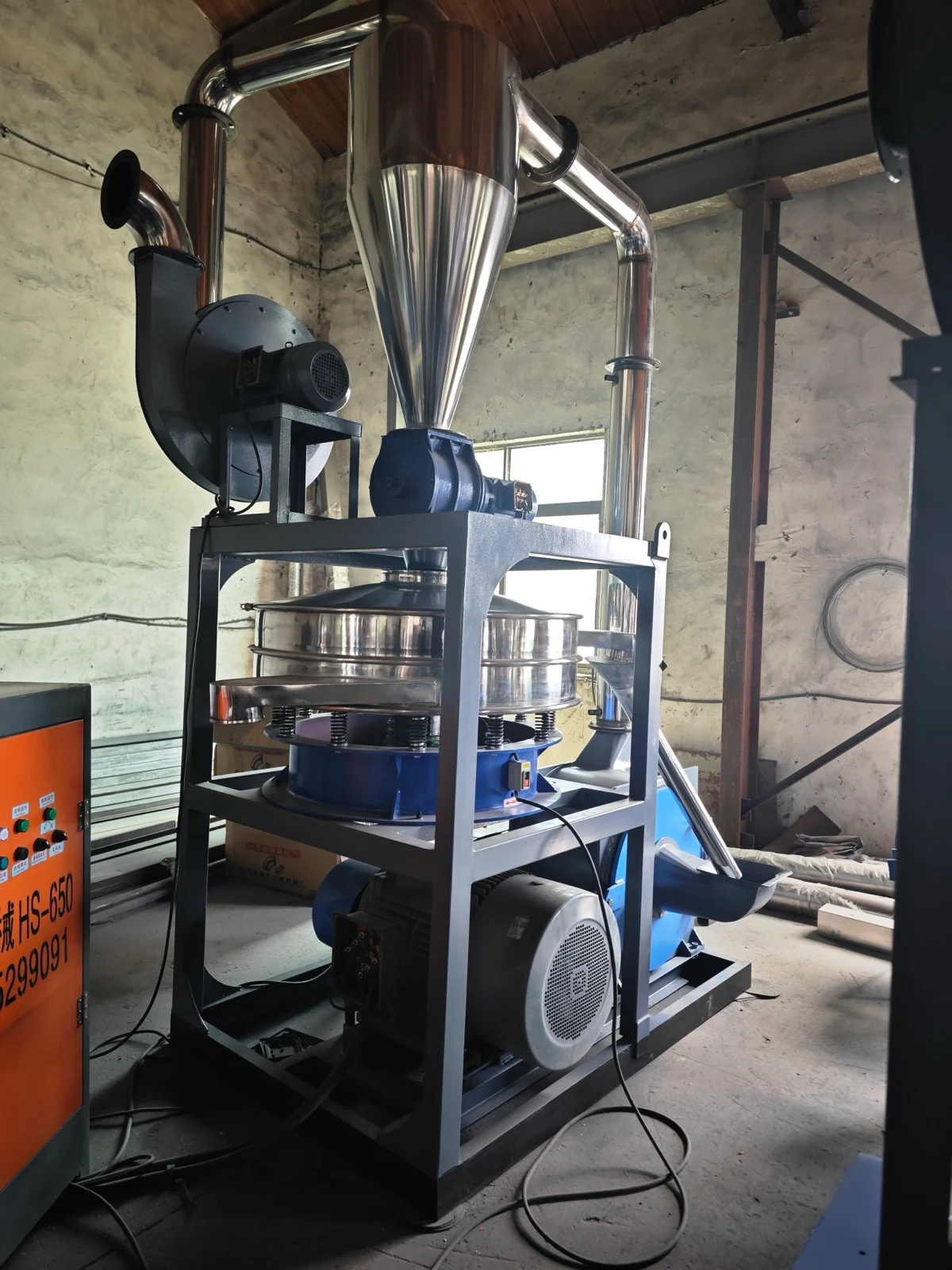
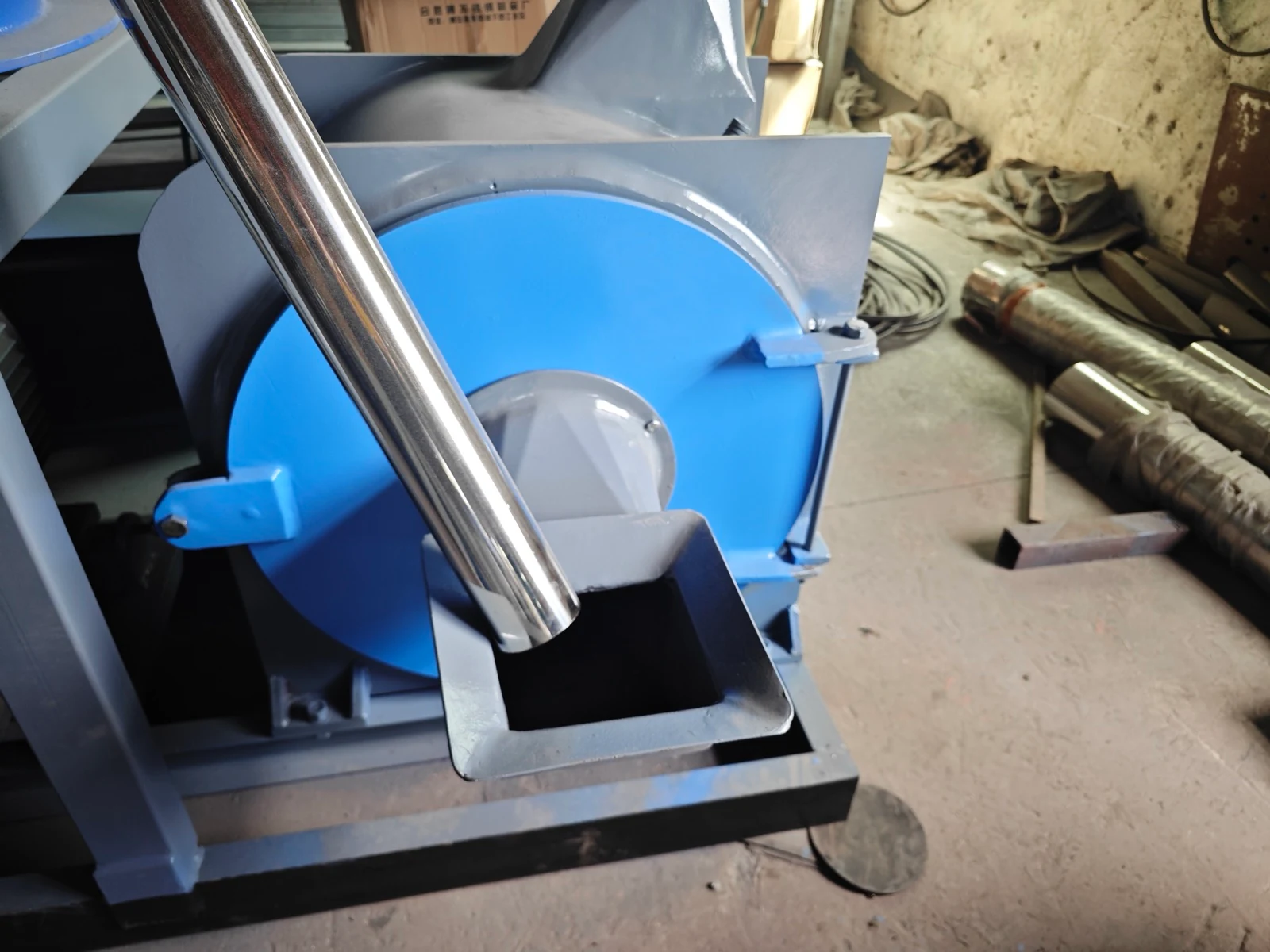
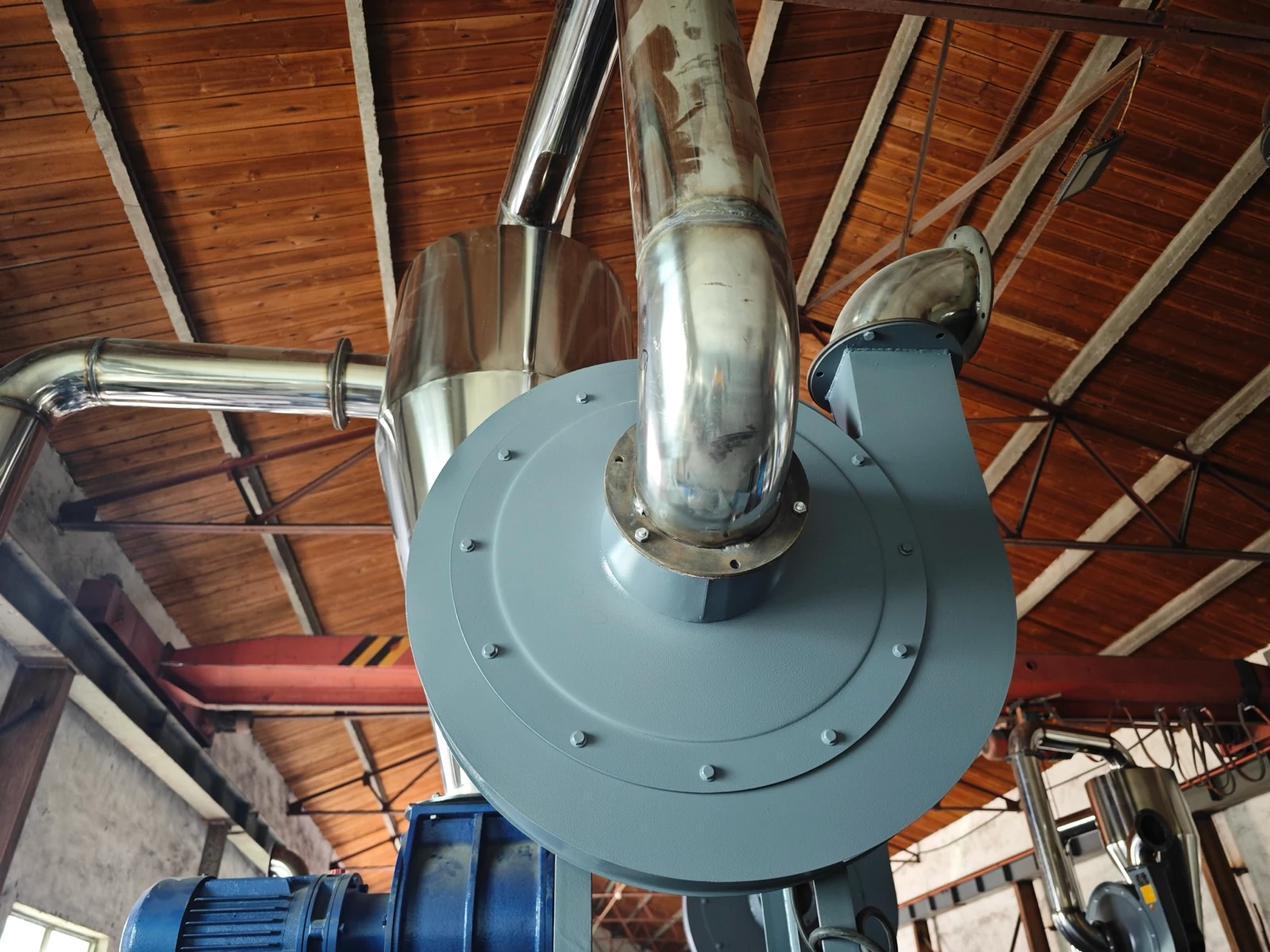
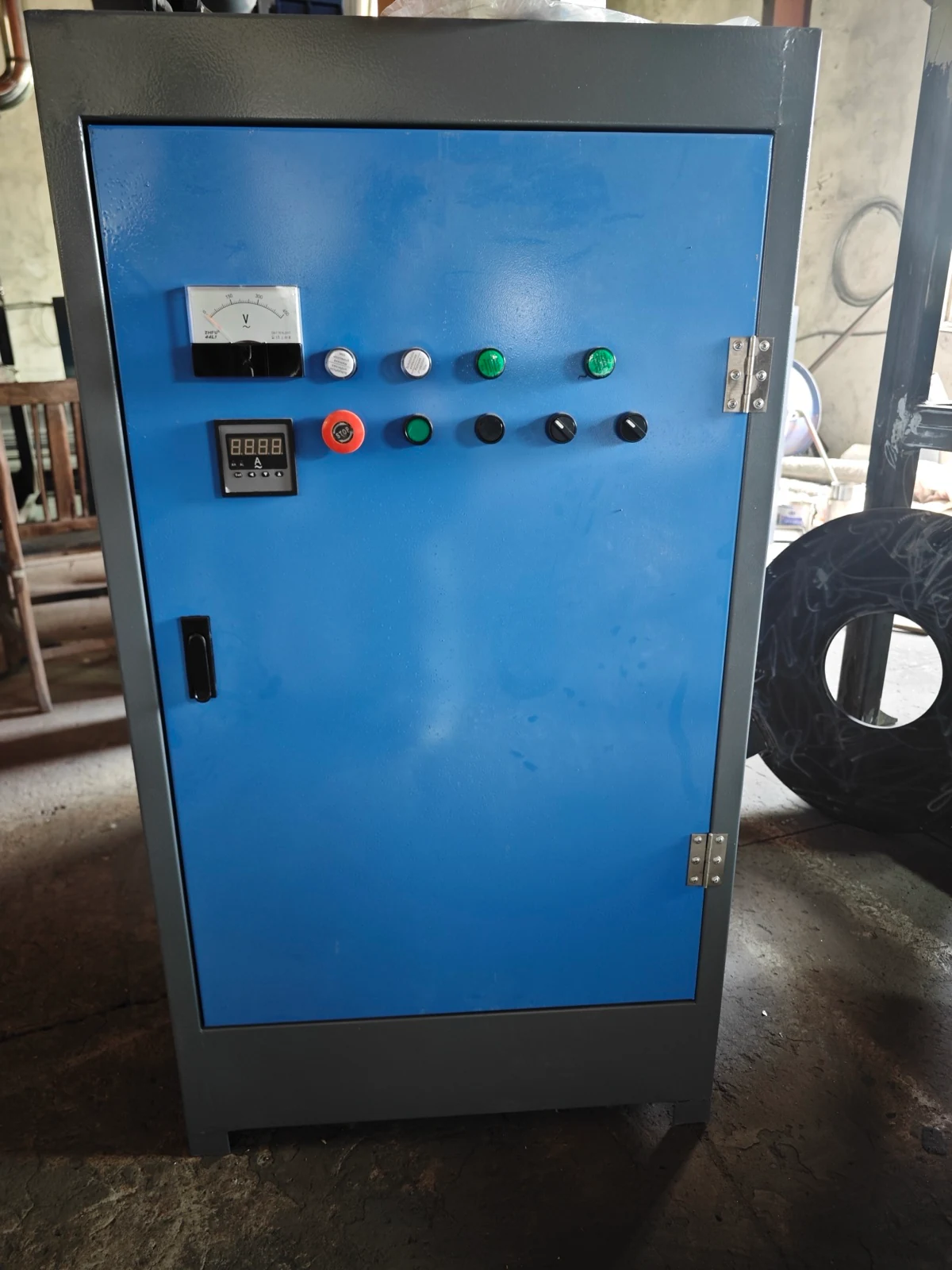
Core Components
How each part protects powder quality, controls temperature and keeps the process stable.
Part 01
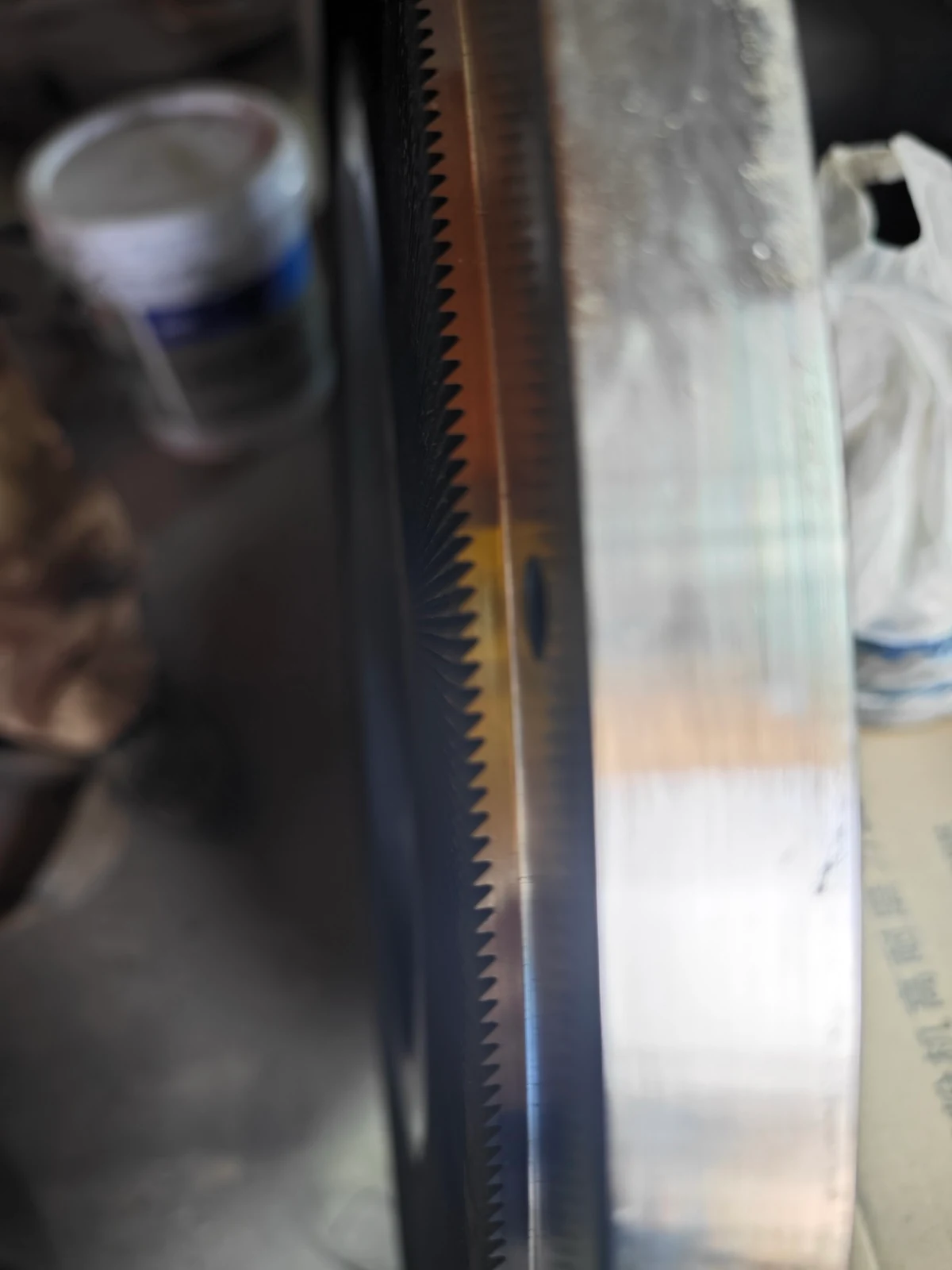
The rotating and stationary discs form the core grinding zone. Disc tooth shape, material, surface treatment and gap accuracy directly influence powder size, output and service life. Different disc designs are available for different materials.
Part 02
A stable feed rate is critical for a pulverizer. If feeding is too fast, current fluctuates, temperature rises and the powder size becomes unstable — so a frequency-convertible dosing feeder is recommended.
Part 03
Plastics generate heat under high-speed friction. For PVC, PE and similar materials, reasonable disc, chamber and airflow cooling controls temperature, reducing softening, disc sticking and powder agglomeration.
Part 04
High-pressure airflow draws the fine powder quickly out of the chamber and delivers it to the cyclone separator. This both conveys the material and shortens powder residence time in the grinding chamber.
Part 05
Screening controls the finished powder size; the oversize return system feeds coarse particles back for another pass, improving consistency and reducing manual handling.
Standard Configuration
Twelve standard modules form a complete continuous plastic pulverizing line.
| No. | Machine Module | Key Function |
|---|---|---|
| 01 | Raw Material Hopper | Buffers pellets or pre-crushed material and provides a steady buffer for continuous feeding. |
| 02 | Dosing Feeder | Stably controls the feed rate into the pulverizer to prevent overload of the main motor. |
| 03 | Disc Plastic Pulverizer | The core of the system — fine grinding between the rotating and stationary grinding discs. |
| 04 | Grinding Gap Adjustment | Adjusts the working disc gap according to the material and the target powder size. |
| 05 | Cooling System | Controls temperature rise in the chamber and discs, reducing softening, sticking and agglomeration. |
| 06 | Air Conveying System | Quickly conveys the ground powder and carries away part of the processing heat. |
| 07 | Cyclone Separator | Separates the powder efficiently from the conveying air stream. |
| 08 | Vibrating Screen | Controls the final powder size and rejects coarse particles or agglomerates. |
| 09 | Oversize Return System | Automatically returns screened coarse particles to the pulverizer for further grinding. |
| 10 | Powder Collection Unit | Collects the finished plastic powder and can connect to a silo, collection bag or packing system. |
| 11 | Dust Collection System (Optional) | Reduces fine powder escape and improves the working environment and machine cleanliness. |
| 12 | Electrical Control System | Centrally controls the main machine, feeding, blower, screening and interlock protection. |
Modules are added or replaced according to the material, target mesh and the plant workflow.
Technical Data
Parameters are confirmed for the selected machine model, your material and the target powder size.
Note: recommended output and final mesh depend on the actual machine model, material and configuration. Contact our engineers to confirm the parameters for your selected model.
Typical Applications
Optional Equipment
Option 01
Removes metal impurities before the material enters the grinding chamber, reducing the risk of disc damage.
Option 02
Captures ferromagnetic impurities to protect the high-speed grinding disc system.
Option 03
Monitors bearing, chamber or key position temperatures and alarms or stops the machine on abnormality.
Option 04
Strengthens dust collection for fine-powder production environments.
Option 05
Connects to the finished powder silo for automatic powder weighing and packaging.
Option 06
Central display of main motor current, feed speed, temperature, blower and alarm status.
Call to Action
Tell us your material, feed size, target powder size and required capacity. We can configure the pulverizing, cooling, conveying and screening system according to your application.
To prepare your quotation, please provide:
Machine Selection
FAQ
A plastic pulverizer (also called a disc grinding mill) is a high-speed grinding machine that processes plastic pellets, uniform regrind or brittle recycled material into fine powder. Rotating and stationary grinding discs reduce the material by impact, shear and friction while airflow quickly removes the powder from the grinding chamber.
A crusher or shredder reduces large plastic waste into coarse flakes. A pulverizer takes pellets or already sized regrind and grinds them into fine powder measured in mesh. Large lumps, film and fibrous materials should be sized first by a shredder or crusher before pulverizing.
It is especially suitable for rigid PVC, PE pellets and PE powder for rotomolding, plus selected PP, PS and ABS thermoplastics. Confirm toughness, softening point and the target mesh for your material before selection.
Powder size is adjustable through grinding disc gap, feed rate, screening and operating parameters. Tell us the target mesh for your application so we can recommend the right configuration.
Please provide the raw material type and its current state, maximum feed size and bulk density, target powder size in mesh, required capacity in kg/h and the final powder application, plus your site voltage and automation requirements.
Large lumps, films, fibrous material and highly tough material are not suitable for direct pulverizing. They should first pass through shredding, crushing, granulating or other pre-treatment so the feed size and condition support stable fine grinding.
You May Also Like